What makes Rust solo survival so compelling when one player builds next to Oil Rig?
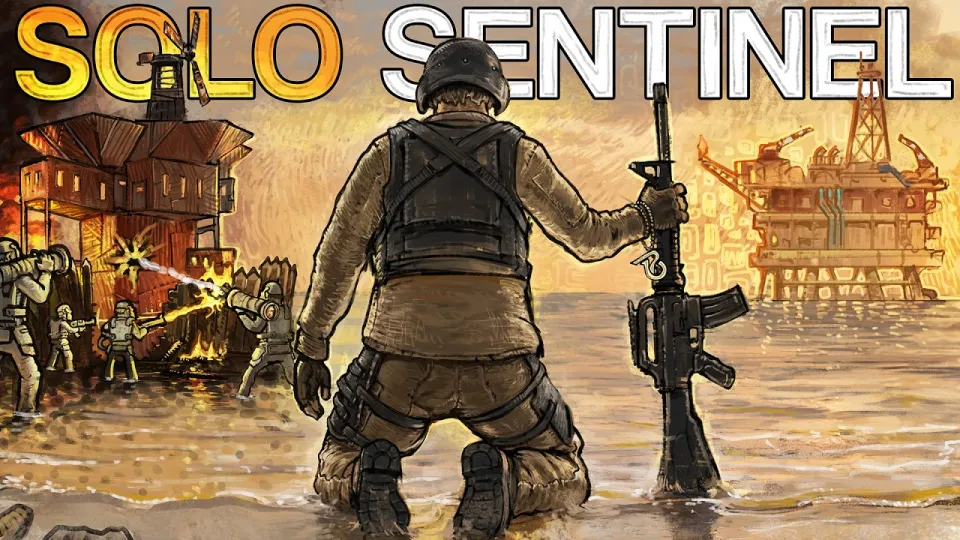
Video: The Solo Sentinel - Rust
You can order the same kind of articles for your own video to boost it on YouTube and Google. Just message the Telegram bot @sat_sit_bot. It writes articles around your video, embeds the video and publishes them on popular niche websites (no ads). Your first 50 articles are free.
· based on the channel Blooprint
Rust solo survival is about one player doing every job at once, and the most direct way to make that interesting is to build where the loot is. In Blooprint's solo run, that means settling down right next to Oil Rig, using the monument as a personal loot pipeline while defending a small base against groups who want the same crates. You can follow the creator's live attempts and streams on Twitch.
Why build a Rust solo base next to Oil Rig
Oil Rig is one of Rust's highest-value monuments, and placing a base beside it converts travel time into progression. The monument spawns heavy scientists and elite crates, so a solo who clears it repeatedly can pull military-grade weapons, armor and components far faster than someone farming roads. Living next to it also means you hear and see every boat that approaches, which is both a warning system and a target list.
The trade-off is exposure. Every group on the server knows where the loot comes from, and a small base near a monument is a permanent invitation. A solo base in that spot has to be compact, cheap to repair and layered, with the kind of design where a raider has to spend more rockets than the loot is worth. Blooprint's approach leans on that logic: small footprint, tight loot rooms, and defenses that punish anyone who tries to walk in from the water side.
The core loop of solo Rust progression
Solo Rust compresses the whole game into a repeating cycle, and the order matters more than raw speed:
- Secure a spawn-adjacent starter base and a sleeping bag network so a death costs minutes, not hours.
- Farm scrap through monuments and roads until you can craft a workbench and basic weapons.
- Push toward Tier 2 gear, then use Oil Rig crates to jump into Tier 3 weapons and armor.
- Convert loot into base security: sheet metal doors, garage doors, turrets and upgraded walls.
- Keep a stash of rockets, explosives and meds for defense, because the raid usually comes when you are least ready.
A solo cannot out-farm a clan, so the goal is efficiency: fewer wasted trips, more value per run, and a base that survives the night while you are offline.
Snowballing gear on a fresh wipe
A fresh wipe in Rust is a race, and solo players win it by snowballing small advantages. One lucky kill on a geared player, one uncontested Oil Rig run, or one good crate can move a solo from a bow to a rifle in a single session. That is the appeal of the format: progression is visible and earned, not handed out by a team's shared stash.
The risk is that gear attracts attention immediately. Carrying a military weapon on a solo makes you a target for every group that hears the shots, so experienced solo players treat good loot as something to bank fast. Stashing valuables in a second, hidden location is standard practice, because losing a kit hurts far less than losing a wipe's worth of components.
Defending a solo base against a raid
Base defense in Rust solo play is mostly preparation, and the details decide whether you keep your loot:
- Layer doors and use garage doors on main paths so raiders burn explosives on cheap entries.
- Place turrets where they cover the approach from the water, since Oil Rig neighbors get attacked from boats.
- Keep a response kit with weapons, ammo and meds near the core so you can fight inside your own base.
- Seal every room, including the ones you think are empty, so a raider cannot walk through a hole in your layout.
- Store explosives separately from your best loot, so a partial raid does not end the wipe.
Late-night raids are the classic scenario: a group sends rockets at 3 AM while the solo is still upgrading walls. Winning those fights is less about aim and more about knowing your own base, holding angles and forcing attackers to waste time.
What viewers ask about solo versus team Rust content
The most common question around solo Rust videos is why they feel more engaging than team play, and the answer is communication. A solo creator narrates every decision out loud, so the audience hears the reasoning behind a rotate, a craft or a retreat. Team content replaces that with comms between players, which is entertaining but excludes the viewer from the thinking.
Solo runs also produce more relatable failure. Losing a fight, getting raided, or missing a crate is something every Rust player has experienced, while a clan rolling over a server reads more like a highlight reel. That is why the request for more solo series keeps coming back, along with calls for unusual base ideas such as cave bases and underwater approaches.
All Blooprint links from the video
- Twitch: https://www.twitch.tv/blooprint
- Kick: https://kick.com/blooprint
- TikTok: https://www.tiktok.com/@blooprintgames
- Twitter: https://twitter.com/blooprintgames
- Discord: https://discord.gg/blooprint
The takeaway from a solo sentinel run
A solo Rust wipe next to Oil Rig is a test of planning more than aim: pick a high-value location, build small and layered, bank loot fast and defend with preparation instead of panic. The story works because every gain is earned by one player handling farming, crafting, PvP and base defense alone, and every loss is one the audience can imagine suffering themselves. Blooprint's breakdown of that arc is a good template for anyone trying to hold ground on a crowded server. If you want to see the next attempt live, join the channel on Twitch and watch the wipe unfold from the first spawn.
Key takeaways
- Blooprint's solo run is built around a base placed directly next to Oil Rig, turning the monument into a constant source of loot and danger.
- Solo Rust means one player handles farming, crafting, base defense and PvP without a team to share comms or blame.
- Oil Rig is a high-tier monument: it spawns heavy scientists and elite crates, so living beside it means fast progression and constant attention from groups.
- The video follows a full wipe arc, from a fresh spawn and starter base to turrets, upgraded walls and a late-night defense against a rocket raid.
- Blooprint's audience repeatedly asks for more solo content because the play-by-play thinking is more relatable than team comms.
Questions & answers
Is it worth building a solo base next to Oil Rig in Rust?
It can be, if you accept the risk. Oil Rig gives fast access to elite crates and military loot, which lets a solo skip a lot of slow progression. The price is constant attention from groups and raids arriving by boat, so the base needs to be compact, layered and cheap to repair.
How does a solo player defend against a rocket raid?
Preparation decides most defenses. Use garage doors and multiple layers on main paths, place turrets covering the water approach, keep a response kit near the core and seal every room. Fighting inside a base you know well lets a solo hold angles and make attackers spend more explosives than the loot is worth.
Why do viewers prefer solo Rust content over team videos?
Solo videos let the creator explain every decision directly to the audience, from crafting choices to rotations and retreats. Team content swaps that for player-to-player comms, which is fun but leaves the viewer watching instead of following the reasoning. Solo failure is also more relatable.
What should a solo player do with high-tier loot after an Oil Rig run?
Bank it quickly. Carry valuables to a hidden stash or a second small base instead of keeping everything in one obvious core. A solo who loses a rifle kit can recover, but losing a wipe's worth of components and explosives usually ends the run.
Source: The Solo Sentinel - Rust · Markdown version